
The Short Answer
Yes, in most cases, Tucson homeowners should get an independent structural inspection before hiring a contractor. An unbiased structural assessment can help identify the true cause of cracks, settlement, floor movement, or foundation concerns before repair recommendations are made. This helps homeowners avoid unnecessary repairs and make informed decisions based on facts rather than sales presentations.
If you’ve noticed cracks in your walls, doors that suddenly stick, uneven floors, or other signs of possible structural movement, getting an independent assessment first is often the smartest and most cost-effective step.
Why This Question Matters
Most homeowners aren’t structural experts. When cracks appear in a wall or a door stops closing properly, it’s natural to worry that something serious is happening. The first instinct is often to search online for a foundation repair company and schedule an inspection.
The Core Problem: Many repair companies both diagnose the issue and sell the solution.
While many contractors are honest and professional, there is still an inherent conflict of interest when the company inspecting your home is also hoping to sell a repair project. An independent structural inspection gives you objective information before any repair recommendations enter the conversation.
What Is an Independent Structural Inspection?
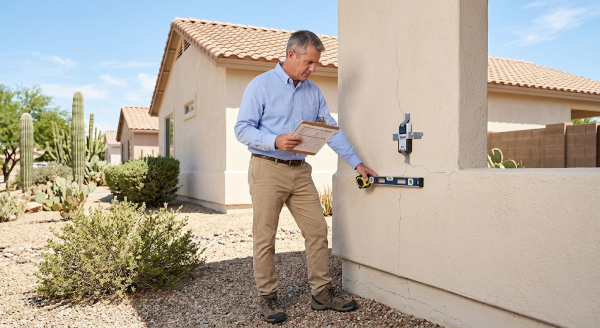
An independent structural inspection focuses entirely on identifying the cause of the problem rather than selling a repair system.
The goal is to answer critical questions such as:
- Is there actual structural movement?
- Is the foundation settling?
- Are the cracks cosmetic or structural?
- Is drainage contributing to the issue?
- Is the movement active or historic?
- Does the home need repairs now, later, or not at all?
Instead of leading directly to a repair proposal, the inspection provides information that helps you make confident decisions.
Contractor Inspection vs. Independent Structural Assessment
| Feature | Contractor Inspection | Independent Structural Assessment |
| Cost | Often free | Professional fee-based |
| Primary Focus | Repair recommendations | Identifying root causes |
| Solutions | May recommend company-specific products | Reviews all possible factors objectively |
| End Goal | A repair sales proposal | Objective information and clarity |
| Scope | Limited to services offered by the contractor | Broad, unbiased evaluation of the problem |
The difference isn’t necessarily about right versus wrong. It’s about having information from a source that isn’t tied to selling a specific repair product or service.
Common Structural Concerns Tucson Homeowners Face
Tucson homes face unique desert conditions that can uniquely affect foundations and stucco structures over time.
1. Expansive Soils
Certain areas around Tucson contain clay-rich soils that expand when wet and shrink during dry periods. This constant cycle places immense stress on foundations, creating:
2. Foundation Settlement
Settlement occurs when soil beneath a structure compresses or shifts. Not all settlement is dangerous. In fact, many homes experience minor settlement over time without requiring major repairs. An inspection helps determine whether movement is active or simply part of the home’s history.
3. Drainage Problems
Poor drainage is one of the most overlooked causes of foundation issues. Heavy monsoon rains collecting around a home’s perimeter can soften supporting soils and contribute to movement. In many cases, correcting drainage problems may completely prevent larger structural concerns from developing.
4. Shrinkage Cracks
Many homeowners panic when they discover a crack. However, some cracks result from normal material shrinkage and aging (especially common in Arizona stucco) rather than foundation failure. A professional assessment helps determine the difference.
Signs You Should Schedule an Inspection
If you notice any of the following symptoms, it’s worth having your home professionally evaluated:
- Masonry: Stair-step cracks in exterior brickwork or stucco
- Drywall: Interior cracks, especially radiating from door or window corners
- Doors & Windows: Doors that suddenly stick; windows that no longer open smoothly
- Floors: Sloping, uneven, or sagging floor surfaces
- Gaps: Separation between walls and ceilings, or around door frames
- Exterior: Cracks in visible foundation stems or movement in retaining walls
- History: Repeated cracking occurring after previous repairs have been made
Note: These symptoms don’t automatically mean major structural problems exist, but they do deserve professional attention.
How an Independent Inspection Can Save You Thousands
One of the biggest benefits of an independent inspection is avoiding unnecessary, expensive repairs. Consider these three common scenarios:
- Scenario One: Historic SettlementA homeowner discovers cracks above several doorways. A repair company recommends a large foundation stabilization project costing tens of thousands. An independent inspection finds that the settlement occurred years ago and is completely inactive. The homeowner avoids spending thousands on unnecessary repairs.
- Scenario Two: Drainage Is the Real ProblemA homeowner notices cracks and sticking doors. A contractor proposes deep foundation underpinning. An independent assessment identifies poor landscape drainage as the primary issue. Improving drainage solves the underlying problem at a fraction of the cost.
- Scenario Three: Repairs Are Actually NeededSometimes significant movement is occurring. In those cases, an independent inspection provides unbiased documentation and clarity so homeowners can accurately compare repair proposals and choose the most appropriate, cost-effective solution.
What Happens During a Structural Inspection?
A thorough, professional inspection typically includes:
- Exterior Evaluation: Looking for foundation cracking, wall movement, settlement indicators, drainage concerns, and local soil conditions.
- Interior Assessment: Evaluating wall and ceiling cracks, floor irregularities, door alignment issues, and window operation concerns.
- Structural Observations: Analyzing data to distinguish between differential settlement, active structural movement, or simple moisture-related cosmetic issues.
- Documentation: Providing clean photographs and clear, written observations to create an accurate historical picture of the property’s condition.
Questions to Ask Before Hiring Any Contractor
Before agreeing to any major repair contract, protect yourself by asking:
- What concrete evidence shows that this movement is currently active?
- Are there alternative, less invasive explanations for these symptoms?
- Could localized drainage or plumbing issues be contributing to the problem?
- What are the risks or consequences if no repairs are performed right now?
- Can these findings be independently verified by an unbiased report?
Red Flags Homeowners Should Watch For
Be cautious if a company exhibits any of these behaviors:
- Repairs are recommended immediately after only a brief, 15-minute walk-around.
- High-pressure sales tactics are used (e.g., “This price is only good for today”).
- Large stabilization projects are presented as urgent emergencies without supporting data.
- They refuse or discourage you from seeking a second, independent opinion.
Frequently Asked Questions
Is an independent structural inspection worth the cost?
In many cases, yes. The upfront fee for an objective assessment can save you thousands of dollars by preventing unnecessary repairs or guiding you to the exact, correct fix.
Can foundation cracks be normal?
Yes. Some minor cracking is normal and results from material shrinkage, aging, or historic, settled movement. A professional inspection helps determine whether a crack is cosmetic or structural.
Should I call a contractor first?
Most homeowners benefit significantly from getting an independent assessment before talking to contractors. This allows you to hand the contractor a specific scope of work rather than letting them dictate the problem.
How do I know if foundation movement is active?
Signs such as widening cracks, worsening door alignment, or fresh drywall separation often indicate active movement. A precise professional evaluation is required to confirm this definitively.
Why Tucson Homeowners Choose AZ Structural Check
At AZ Structural Check, the focus is entirely on helping homeowners understand exactly what is happening with their property before major financial decisions are made.
The goal is straightforward:
- Provide objective, third-party information
- Document visible concerns accurately
- Help homeowners understand potential root causes
- Reduce uncertainty and eliminate high-pressure sales stress
- Support informed decision-making
Whether you are dealing with new cracks, settlement concerns, monsoon drainage issues, or general structural questions, starting with an independent evaluation gives you the confidence to move forward with clarity.
Before committing to expensive repairs, make sure you fully understand the problem you’re trying to solve.
Not sure how serious your issue may be? Request a Free Severity Audit to learn whether your concerns may require further investigation and discover the next steps available to Tucson homeowners.